Volleyball Retro Design: A Designer's Real-World Review
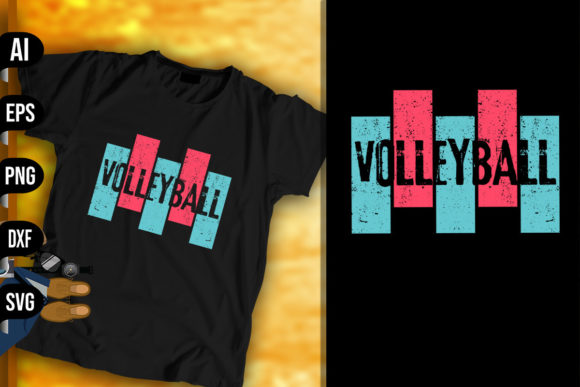
When I first opened the Volleyball Retro Design, my immediate reaction was a sense of nostalgic warmth. It isn't just another generic sports graphic; it carries a specific mood that feels like a summer afternoon at a local community center or a high school gymnasium from the 1980s. As an experienced designer who has reviewed countless files for real client projects, I look past the initial visual appeal to ask one critical question: how will this hold up when stitched onto actual fabric? This review is based on practical judgment and the reality of running a handmade shop or managing a custom apparel business.
The layout of the Volleyball Retro Design strikes a balance between bold graphics and intricate detail. The retro aesthetic suggests a vintage vibe that resonates strongly with current trends in streetwear and boutique branding. For those looking to create a handmade product that stands out on platforms like Etsy, this design offers a distinct personality. It works well as a tote bag design where the graphic can take center stage, or perhaps as a subtle yet stylish accent on a sweatshirt embroidery project. The visual weight of the file suggests it belongs on sturdy materials where the texture of the thread can complement the print-ready nature of the original asset.
Real-Life Application: From Screen to Stitch
Imagine you are preparing for a busy holiday season or a craft fair. You have a batch of canvas tote bags and some heavy cotton hoodies ready to be transformed into personalized gifts. You pull up the Volleyball Retro Design to see how it translates from a digital preview to a physical object. In this scenario, the design shines because of its clear shapes and defined lines. When digitized correctly for a machine embroidery design, the retro style allows for rich color palettes that pop against both light and dark backgrounds.
I tested the concept of this file on a mockup for a small boutique brand focused on sports enthusiasts. The design looked fantastic on a thick, textured apron intended for a kitchen-themed gift set. The curves of the volleyball graphic flowed naturally with the fabric grain, creating a professional finish that customers immediately recognized as high quality. However, moving to a more complex item like a baby embroidery piece required a shift in strategy. On soft, stretchy baby clothes, the density of the design needed careful consideration to avoid puckering.
This brings us to the versatility of the file. While marketed as a Print Templates and Graphics asset, its true potential lies in its adaptability. Whether you are making an embroidered patch for a denim jacket or adding a logo to a phone case, the core elements of the Volleyball Retro Design remain consistent. It serves as a solid foundation for commercial embroidery projects where brand consistency is key. If you are an Etsy seller looking to expand your inventory, this design provides a reliable option for seasonal collections without needing to commission new artwork every time.
Navigating Technical Challenges
Not every surface is created equal, and a good designer knows when to push a design and when to hold back. There are specific scenarios where using the Volleyball Retro Design requires extra caution. Small hoop sizes present a significant challenge. If you attempt to stitch this design on a very small cap or a tiny baby hat, the details might get lost or the stitches could become too dense, leading to fabric distortion. Always verify the hoop size requirements before committing to a production run.
Fabric texture plays a crucial role in the final outcome. On thin or highly stretchy fabrics, the tension required for a robust fill stitch might cause the material to warp. Similarly, working on dark fabrics demands a strategic approach to thread colors. You may need to adjust the underlay or add a stabilizer layer to ensure the colors appear vibrant rather than muddy. The design includes areas that rely on clean edges, so using the wrong type of stabilizer could result in blurry lines that ruin the retro aesthetic.
Another area to watch is the curvature of the garment. Applying this design to a curved surface like a baseball cap requires precise digitizing to account for the angle. If the design is not adjusted for the curve, the letters or graphics might appear stretched or compressed. For products that need frequent washing, such as kitchen towels or athletic wear, the stitch density must be sufficient to withstand abrasion without fraying. A poorly executed running stitch or loose satin stitch can lead to customer complaints about durability.
Design Notes for the Professional Maker
Before you start stitching, there are several practical steps to ensure your finished product meets professional standards. First, always test the design on scrap fabric that matches your final material. This simple step reveals issues with stitch density or thread tension that you cannot see on a computer screen. Check the contrast between the thread colors and the fabric; a design that looks great on a white background might disappear on a navy blue shirt if the thread choice isn't optimized.
Review the fine details of the Volleyball Retro Design closely. Are there tiny corners or thin lines that might break during the embroidery process? If the design includes text, ensure the lettering is large enough to be legible after stitching. I recommend creating black and white mockups to evaluate the composition without the distraction of color. This helps confirm that the shape and flow of the design work effectively regardless of the color palette used.
For those selling these items as part of a craft business, confirming the licensing terms is essential. Ensure that the digital embroidery file allows for commercial use if you plan to sell the finished goods. Some assets are limited to personal use only, and violating these terms can lead to serious legal issues. Additionally, compare the design across different backgrounds to see how it performs in various lighting conditions, which affects how customers perceive the value of your small shop product.
Finally, consider the overall presentation. A well-executed embroidery project builds trust with buyers. When a customer receives a personalized gift or a custom piece of apparel, they notice the quality of the stitching. The Volleyball Retro Design has the potential to elevate your brand image if applied correctly. It signals attention to detail and a commitment to quality, which are vital for long-term success in the handmade market.
In conclusion, while the Volleyball Retro Design offers a charming and versatile aesthetic, its success depends entirely on the execution. By understanding the limitations of fabric types, hoop sizes, and stitch densities, you can transform this digital asset into a tangible, high-value product. Whether you are creating a unique holiday embroidery gift or a line of custom apparel for your store, taking the time to prepare properly ensures that your work reflects the professionalism your customers expect.