Retro Disc Golf Player Frisbee Design Review
As a designer who has spent years evaluating digital assets for real-world embroidery, I approach every new download with a mix of excitement and skepticism. The market is flooded with generic graphics, but finding a piece that balances nostalgia with technical viability is rare. Today, I am putting the Retro Disc Golf Player Frisbee design through its paces to see if it holds up under the needle or if it belongs in the digital graveyard. This review focuses on practical application for crafters, small business owners, and anyone looking to elevate their handmade product line.
The First Impression: Nostalgia Meets Stitch Potential
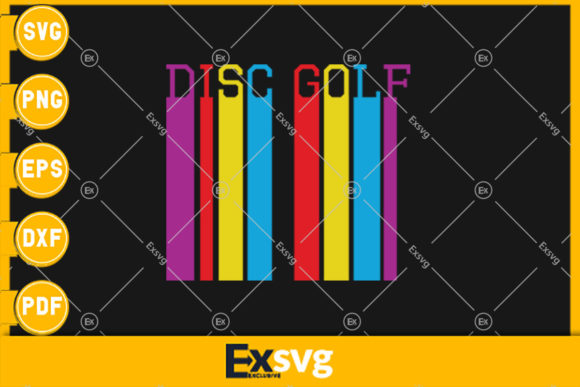
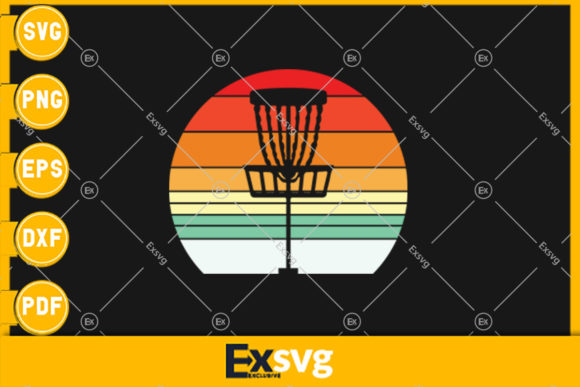
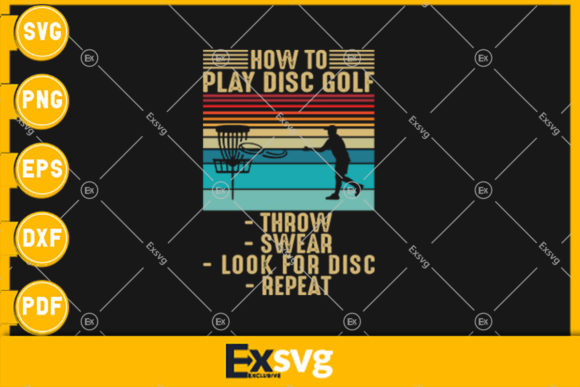
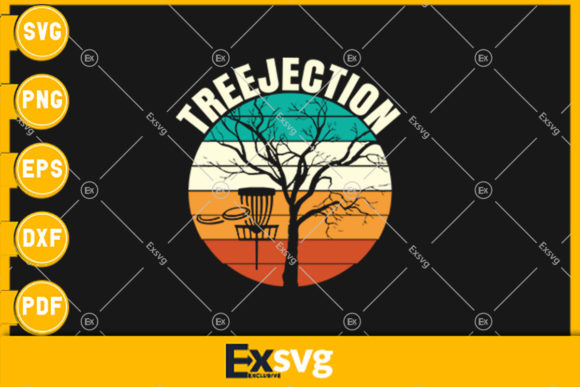
When I first opened the file set, the mood was immediately established. The Retro Disc Golf Player Frisbee isn't just a logo; it feels like a memory of a summer afternoon at the park. The visual personality leans heavily into vintage aesthetics, which suggests a specific demographic: disc golf enthusiasts who appreciate the history of the sport, as well as parents looking for unique gifts for kids or hobbyists. The layout is clean, avoiding the cluttered mess that often plagues complex sports designs. It creates an immediate sense of fun and approachability, making it perfect for items that need to feel personal rather than corporate.
From a graphic standpoint, the shapes are distinct. In the world of Print Templates, this falls under Graphics, but for an embroiderer, the value lies in how those lines translate to thread. The design avoids overly intricate details that would get lost in stitching, focusing instead on bold outlines and clear character definition. This is crucial because a design that looks great on a screen can fall apart when converted to satin stitches. The retro theme naturally lends itself to warm color palettes—mustard yellows, faded teals, and burnt oranges—which tend to pop beautifully against neutral fabrics.
Real-World Application: A Case Study in Custom Apparel
To truly understand the potential of this design, let's imagine a scenario. You are preparing for the upcoming holiday season, and your Etsy shop needs a standout item. You decide to create a custom embroidered tote bag for a local disc golf tournament. You select a heavy-duty canvas tote and choose a vibrant orange thread to match the retro vibe of the Retro Disc Golf Player Frisbee.
Upon hooping the fabric, the design fits perfectly within a standard 4x4 hoop. The central placement of the player ensures that the image remains the focal point without being cramped by the seams. As the machine begins to stitch, the clarity of the lines becomes apparent. The satin stitch along the edges of the frisbee provides a smooth, professional finish, while the fill stitch areas offer enough density to cover the fabric completely without creating a stiff, board-like texture. When finished, the tote bag doesn't just look like merchandise; it looks like a statement piece. Customers browsing the booth at a craft fair would likely pause at the tactile quality of the embroidery, recognizing the effort put into the handmade product.
This same design could easily transition to a sweatshirt for a winter league or even a baby onesie for a "little golfer." The versatility of the embroidery file allows it to serve as both a decorative accent and a primary brand element. For an Etsy seller, this means one digital purchase can yield multiple revenue streams, from personalized gifts to boutique branding items.
Technical Performance and Fabric Considerations
While the design shines on structured materials, there are places where you must exercise caution. The Retro Disc Golf Player Frisbee relies on clear lines to convey its message, which means it requires a stable base. Testing on textured fabrics like heavy bouclé or loose-weave linen might result in thread breakage or distorted details. Similarly, stretchy knits require a high-quality stabilizer to prevent puckering, especially around the curved elements of the frisbee.
If you plan to use this on a cap or hat, be mindful of the curvature. While the design is scalable, the lettering (if present) or fine details might become difficult to read if placed too close to the seam or on a highly curved surface. Small hoop sizes are another limitation; if you attempt to shrink the design down for a child's bib or a tiny pocket, the stitch density might become too tight, causing the fabric to bunch up. Always check the recommended hoop size before finalizing your product dimensions.
Dark fabrics present another challenge. If you choose a black hoodie, ensure your thread colors have sufficient contrast. The retro palette usually works well here, but a light-colored outline might disappear against a dark background. Conversely, on light fabrics, the design offers excellent visibility, making it ideal for white tea towels or cream-colored pillow covers intended for nursery decor.
Impact on Product Value and Brand Consistency
In the competitive world of commercial embroidery, visual appeal directly correlates to perceived value. A design like Retro Disc Golf Player Frisbee elevates a basic tote bag into a premium gift item. It signals to the buyer that the creator understands style and attention to detail. This boosts customer trust and encourages repeat business.
For small shop products, consistency is key. Using a cohesive theme across your catalog helps build a recognizable brand identity. If your shop specializes in outdoor hobbies or retro-themed apparel, this design fits seamlessly into your collection. It also enhances the "giftability" of your items; a custom embroidered patch featuring this design is something people actually want to keep, rather than discard after a single wear.
Practical Designer Notes for Success
Before you commit to a full production run, follow these essential steps to ensure the best outcome:
- Test on Scrap Fabric: Always run a test stitch on a scrap piece of your actual material to check tension and stability.
- Review Thread Colors: Experiment with different thread combinations to maximize contrast and highlight the retro aesthetic.
- Check Stitch Density: Inspect the design settings to ensure the fill stitches aren't too dense, which can cause fabric distortion.
- Confirm Hoop Size: Verify that your machine's hoop can accommodate the design without cutting off important details.
- Inspect Small Details: Zoom in on the vector files to ensure no stray points or tiny gaps exist that could cause threading issues.
- Mockup in Black and White: View the design in grayscale to confirm that the composition works regardless of color choice.
- Use Proper Stabilizer: Select the correct stabilizer type (cut-away vs. tear-away) based on the fabric weight and garment type.
- Licensing Check: Confirm the licensing terms regarding commercial use before selling finished items or offering them as part of a subscription service.
The Retro Disc Golf Player Frisbee is more than just a cute image; it is a versatile tool for creative entrepreneurs. Whether you are creating custom apparel, holiday embroidery pieces, or digital embroidery file previews for clients, this design offers a solid foundation for success. By understanding its strengths and limitations, you can produce finished products that stand out in a crowded marketplace.
Ultimately, the goal is to create work that resonates. This design captures the spirit of the game and the joy of crafting. With careful execution and attention to the technical nuances of machine embroidery design, it can become a staple in your portfolio. So, grab your hoop, select your threads, and bring this retro vision to life.