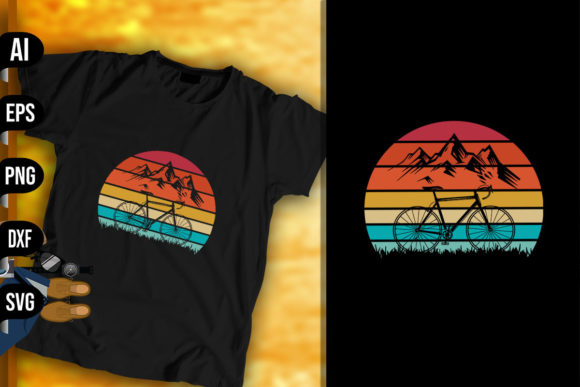
Mountain Biking Vintage Retro: A Designer's Real-World Review
As someone who has spent years turning digital files into tangible, stitched masterpieces for clients and my own craft business, I approach every new embroidery design with a mix of excitement and skepticism. There is nothing worse than downloading a file that looks perfect on the screen but falls apart under the needle. Today, I am putting the Mountain Biking Vintage Retro graphic to the test. This isn't just about looking at a pretty image; it is about understanding how this specific Print Templates asset translates into a high-quality finished product when applied to real-world materials.
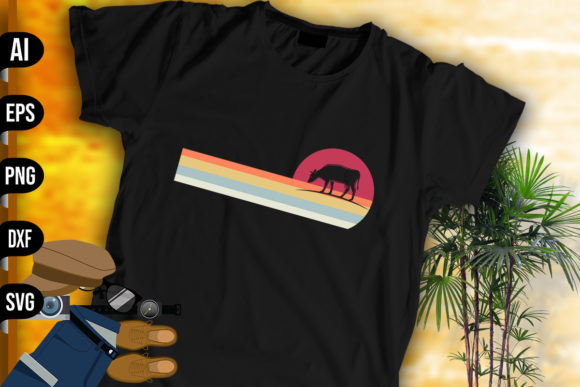
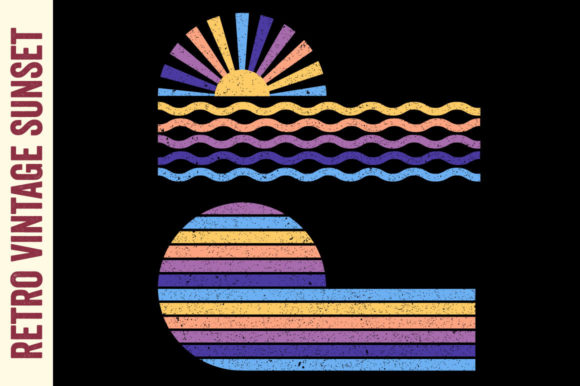
The first impression of Mountain Biking Vintage Retro is one of nostalgic grit. The vintage aesthetic immediately suggests durability and timelessness, which are qualities that customers crave in handmade goods. Unlike modern, hyper-detailed vector art that often loses clarity when digitized, this design feels like it was born from an era of bold lines and clear shapes. For an Etsy seller or a small shop owner, this mood is gold. It signals a brand that values heritage and authenticity. When I visualize this as a tote bag design or a patch on a denim jacket, the retro theme fits perfectly without feeling forced or overly trendy.
From Screen to Stitch: The Real-Life Scenario
Let me paint a picture of how I would actually use this design in a professional setting. Imagine a client request for a custom gift for a mountain biking enthusiast who loves 90s aesthetics. They want something wearable but not too sporty. I pull up the Mountain Biking Vintage Retro file to create a custom embroidered sweatshirt. The layout is spacious enough to allow for breathing room, which is crucial for avoiding a cluttered look on heavy cotton blends.
If I were to stitch this onto a canvas tote bag, the design would anchor the fabric beautifully. The central imagery allows for a balanced composition that works well on both the front and back of garments. However, the transition from a digital graphics file to a physical embroidery project requires careful consideration of the medium. While the description notes it is print-ready, using it for actual stitching means we must interpret those visual elements into thread. The bold lines suggest they will hold up well as satin stitches, while any background texture might need to be handled as fill stitches or left as negative space depending on the desired density.
Where This Design Shines in Your Craft Business
This file is incredibly versatile for various commercial embroidery projects. Its strength lies in its adaptability across different product categories. For small business merchandise, think about applying this to aprons for a local coffee shop or kitchen towels for a holiday gift set. The retro vibe pairs exceptionally well with earth tones and natural fabrics, making it a standout choice for boutique branding.
- Custom Apparel: Perfect for t-shirts and hoodies where the design needs to make a statement without overwhelming the wearer.
- Baby Embroidery: The rounded, friendly nature of the retro style makes it safe and appealing for baby clothes, provided the scale is adjusted correctly.
- Holiday Gifts: It captures the spirit of nostalgia, making it an ideal choice for seasonal gifts that feel personal and thoughtful.
- Craft Fair Products: Items featuring this design stand out on a table because they offer a cohesive, curated look that appeals to collectors and hobbyists alike.
When used as a digital embroidery file for mockups, the Mountain Biking Vintage Retro asset helps create realistic previews for potential buyers. A well-executed printable mockup showing this design on a high-quality hoodie can significantly boost buyer engagement and trust. Customers can see exactly how the stitch density and color contrast will appear before they commit to purchasing the final item.
Pitfalls to Watch Out For
Even the best designs have their limitations, and knowing where to tread carefully is what separates a pro from a novice. If you are working with small hoop sizes, you might find that certain intricate details in the Mountain Biking Vintage Retro design could become muddy. Tiny lettering or very fine lines may require simplification or a larger hoop to maintain clarity.
Fabric choice is another critical factor. On stretchy fabric like jersey knits, a dense fill stitch area can cause puckering if the correct stabilizer is not used. Similarly, textured fabrics like bouclé or thick fleece can hide the definition of the design, making it look flat. Dark fabrics present a challenge for light-colored threads; you must ensure there is enough contrast so the design does not get lost in the weave. If you plan to use this for embroidered patches, remember that curved surfaces like caps require careful tension management to avoid distortion.
Also, consider the longevity of the project. If the item is destined for frequent washing, such as a work apron or a child's garment, check that the stitch density is robust enough to withstand friction. Loose running stitches or overly sparse areas might snag or unravel over time, damaging the reputation of your handmade product.
Practical Notes for the Embroidery Designer
Before you load this file into your machine, there are several steps you must take to ensure success. First, always test the design on scrap fabric. This is non-negotiable. You need to see how the thread colors interact with your specific material and whether the hoop size accommodates the full layout without cutting off edges.
Review the stitch types carefully. Does the design rely heavily on satin stitch for outlines? These can look great but can also trap lint or cause issues on delicate fabrics. If the original file is a raster image intended for printing, converting it to a true machine embroidery design involves digitizing the paths. Ensure you understand the difference between a vinyl decal application and actual stitching, as the production methods differ vastly.
Inspect small details closely. Are there tiny elements that might break during the stitching process? If the design includes text, verify that the font remains legible after scaling. It is also wise to test the design in black and white mockups to check the value structure, ensuring the light and dark areas balance well regardless of the thread colors you choose. Finally, confirm the licensing terms. If you intend to sell finished items featuring the Mountain Biking Vintage Retro design, you must have the proper commercial rights to do so. Always read the fine print regarding design assets and resale rights before launching your craft business line.
In conclusion, the Mountain Biking Vintage Retro design offers a strong foundation for creative entrepreneurs looking to add a touch of nostalgia to their portfolio. With the right preparation and attention to detail, it can elevate a simple embroidery project into a premium piece of art. Whether you are creating a personalized gift for a friend or stocking shelves for your online store, this design provides the visual personality needed to capture attention and build a loyal customer base.