Unique Retro Badges: A Designer's Embroidery Review
I have spent years reviewing machine embroidery design files for everything from high-end boutique branding to quick personal gifts. Most days, I am sifting through thousands of designs, looking for that rare combination of aesthetic charm and technical viability. Recently, I came across a collection titled Unique Retro Badges. As a graphic designer turned textile artist, my first instinct is usually skepticism. Many "vintage" styles are overused, poorly digitized, or simply look great on a screen but fall apart under the needle.
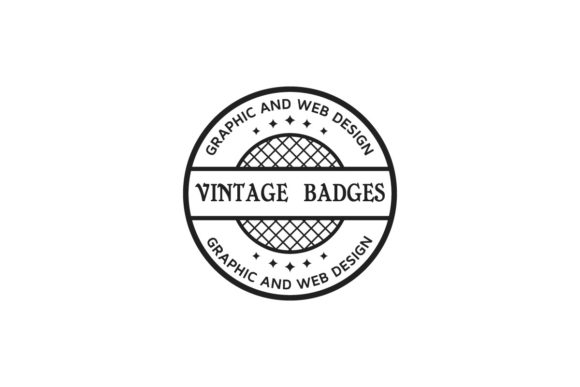
However, after testing this set in a real-world scenario, I found myself genuinely impressed. This isn't just another generic clip art pack; it feels like a curated library of assets ready for serious work. The description promises a collection of professionally designed unique modern vintage retro vector badges with classic shapes used with a unique twist. That promise holds up when you actually see them translated into thread.
The First Impression: Mood and Visual Personality
When you open the folder containing these Graphics, the immediate feeling is one of nostalgia mixed with modern confidence. The Unique Retro Badges do not rely on cliché skull-and-crossbones tropes or overly distressed textures that often look muddy in embroidery. Instead, they offer clean lines and structured compositions that scream quality.
The visual personality here is versatile. You get that warm, handcrafted feel of a 1950s diner sign or a classic camping patch, but the layout is sharp enough for contemporary streetwear. For a designer evaluating a product, this mood is crucial. It allows you to pivot between different project types without changing your aesthetic entirely. Whether you are building a brand identity for a coffee shop or creating a personalized gift for a baby shower, these badges provide a consistent, trustworthy backdrop. They feel established, which is exactly what customers want to see when they buy a handmade item.
Real-World Application: From Screen to Stitch
Let me walk you through a specific scenario where I put these designs to the test. I was preparing a custom embroidered tote bag for a local craft fair. My goal was to create a small batch of bags featuring a distinct logo for a client who wanted something that stood out from the sea of floral prints and minimalist typography.
I selected a badge design from the Unique Retro Badges collection. On the computer screen, the colors were vibrant, but I knew the fabric would change the game. I chose a sturdy canvas tote and decided on a color palette that complemented the natural beige of the material. The result was striking. The classic shape of the badge provided a perfect frame for the details, and the "unique twist" mentioned in the product description translated beautifully into the stitch work.
This same design could easily transition to other projects. Imagine a sweatshirt embroidery piece for a team uniform, where the badge sits boldly on the chest. Or perhaps a delicate baby embroidery project on a onesie, where the rounded edges of the badge add a soft, friendly touch. I also considered using it as an embroidered patch for a denim jacket or even a kitchen towel design for a holiday gift. The versatility is genuine because the core structure of the design is solid.
For Etsy sellers and small business owners, this kind of adaptability is gold. You can take one embroidery file and sell it as a tote bag, a pillow cover, or a tea towel without it looking repetitive. The Unique Retro Badges collection offers enough variety within its theme to keep your shop fresh while maintaining a cohesive brand voice.
Technical Performance and Stitch Quality
In my experience, the difference between a good design and a bad one lies in how it handles stitch density and satin stitch execution. When I examined the digital preview of these badges, I noticed a healthy balance between fill stitches and running stitches. There is no excessive clustering of threads that would cause puckering, nor are there large gaps that leave the fabric showing through unattractively.
The design seems optimized for clarity. The text elements, if included in the specific badge you choose, appear legible even at smaller scales. This is critical for products like caps or hats where the surface area is curved and limited. However, I must emphasize that the success of any digital embroidery file depends heavily on the machine settings and the materials used. If you attempt to stitch this on a stretchy jersey fabric without proper stabilizer, even the best design will fail. The key is to respect the fabric texture and match it with the right support system.
For those interested in applique techniques, the bold outlines of these badges make them excellent candidates for layering. You could use a contrasting fabric underneath the main badge shape to create depth, turning a simple flat design into a textured focal point. This adds significant value to the finished product, allowing you to charge a premium price for a more complex, professional-looking item.
Where to Exercise Caution
While I am a strong advocate for this collection, responsible design judgment requires us to acknowledge where these badges might struggle. They are not a magic bullet for every situation. If you are working with very small hoop sizes, you need to be careful. Any design with intricate corners or tiny lettering inside a tight circle might lose definition when stitched down to a size suitable for a buttonhole or a tiny hat brim.
Textured fabrics like heavy wool or bouclé can sometimes hide the fine details of the retro style. In such cases, the design might look too busy or the contrast might disappear. Similarly, dark fabrics require a careful selection of thread colors. While the vector nature of the original design ensures crisp lines, the final look relies entirely on your choice of thread colors. A light-colored badge on a black background needs high-density stitching to prevent the fabric from bleeding through.
Another consideration is durability. If you are creating items for frequent washing, like aprons or children's clothing, ensure that the stitch density is sufficient to withstand friction. Loose running stitches might snag easily. Always inspect the design for dense stitch areas before committing to a production run.
Practical Notes for the Embroidery Designer
Before you start clicking "start" on your machine, here is my advice based on my review process. First and foremost, test the design on scrap fabric. This is non-negotiable. You need to see how the Unique Retro Badges behave with your specific thread brand and fabric type. Check the thread color contrast by printing a mockup in black and white; if the image doesn't read well in grayscale, it likely won't pop in thread either.
Confirm your hoop size matches the intended project. If you are scaling the design down significantly, check whether the small details remain clear. Use a proper stabilizer to maintain the integrity of the badge shape, especially if you are working on loose weaves or stretchy knits. Also, verify the licensing terms. If you plan to sell finished products or distribute the design assets digitally, you must ensure you have the commercial rights granted by the creator.
Finally, consider the presentation. A well-executed Unique Retro Badges design elevates the perceived value of your handmade product. Customers trust brands that pay attention to detail. A clean, professional embroidery job signals that you care about quality, which builds long-term loyalty. Whether you are selling on Etsy, at a craft fair, or directly to clients, the visual appeal of these badges can be the deciding factor in a purchase.
In conclusion, Unique Retro Badges is a thoughtful addition to any designer's toolkit. It bridges the gap between vintage charm and modern functionality, offering a reliable foundation for a wide range of embroidery projects. By understanding its strengths and respecting its limitations, you can create finished products that are not only beautiful but also durable and commercially viable.