Cornhole Board Player Vintage Retro Review
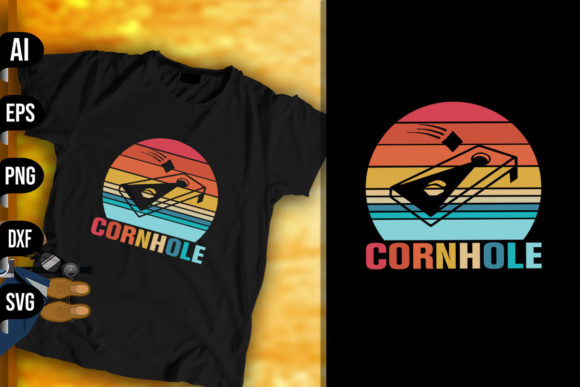
When I first opened the Cornhole Board Player Vintage Retro file, my immediate reaction wasn't about stitch counts or file formats. It was about the vibe. There is a specific energy to this design that screams "weekend tournament" and "backyard bonding." As someone who has spent years evaluating digital assets for real-world embroidery projects, I know that finding a graphic that translates well from a screen to a needle can be a gamble. This Print Templates entry feels less like a generic clip art and more like a genuine embroidery project waiting to happen. The retro aesthetic offers a nostalgic charm that stands out in a sea of modern, flat designs, making it an excellent candidate for small shop product lines that want to capture a sense of tradition and fun.
I recently put this embroidery file to the test with a very specific scenario: preparing custom merchandise for a local community league's end-of-season awards. The client wanted something that felt authentic to the sport but carried a touch of class. We decided on a heavy cotton canvas tote bag design for the prize bags and embroidered patches for the team jerseys. Before committing the machine to the final run, I had to mentally walk through how the Cornhole Board Player Vintage Retro would behave under the presser foot. Would the details get lost? Would the vintage colors pop against the fabric?
The visual personality of the design is its strongest asset. It doesn't try to be too busy. The layout balances the figure with enough negative space to breathe, which is crucial when you are dealing with stitch density. In my experience, designs that are too cluttered often look muddy once stitched, especially on stretchy fabrics like those found in hoodies or caps. Here, the composition feels stable. It suggests a satin stitch outline that would frame the subject beautifully, while the internal elements could handle a mix of fill stitch and running stitch to create texture without overwhelming the eye. For a custom apparel piece, this balance is everything. It signals professionalism to the customer, showing that the maker took care to select a design that respects the medium.
However, putting this into production requires some strategic thinking. If you are planning to use this as a digital embroidery file for a small business, you need to consider where it lives on the garment. On a standard t-shirt, the placement is straightforward. But what about a curved surface like a baseball cap? The Cornhole Board Player Vintage Retro might struggle if the hoop size isn't perfectly matched to the curve of the hat. Small hoops often distort larger graphics, causing the vintage lines to warp. I would recommend testing this design on scrap fabric first to ensure the aspect ratio holds up. If you are aiming for a personalized gift on a baby item, such as a onesie or a bib, the scale needs to be adjusted. A design meant for a sign-making backdrop might look comical if shrunk down too much on a tiny infant shirt, losing the detail that makes it special.
One of the most critical factors for any craft business owner is the contrast between the thread colors and the fabric. The retro palette implies a certain richness in color—perhaps deep reds, mustard yellows, or faded blues. These tones work wonders on light backgrounds, creating a soft, worn-in look that customers love. However, using this on dark fabric presents a challenge. Unless the design includes a substantial underlay or a high-density fill, the threads might not fully cover the base material. This is where your choice of stabilizer becomes vital. You cannot simply hoop and sew; you need to support the fabric tension to prevent puckering, which is particularly true for textured fabrics like towels or fleece. A wrinkled finished product undermines the value of the entire piece, no matter how good the original graphic is.
Let's talk about the versatility of this asset. Beyond the obvious sweatshirt embroidery, I see huge potential for kitchen towel designs or even apron accents. The theme fits perfectly with a rustic, farmhouse kitchen aesthetic. Imagine stitching this onto a linen apron for a hostess gift during the holidays. The holiday embroidery market is saturated, but a design with a specific hobby focus like cornhole cuts through the noise. It shows thoughtfulness. When a buyer sees a handmade product that speaks directly to their interests, they are more likely to trust the brand. This design builds that connection instantly.
There are, of course, areas where caution is required. If you plan to sell these items on Etsy or at craft fairs, you must ensure the embroidered patch version of this design is clean. Tiny lettering or intricate corners can get lost in the stitching process if the resolution isn't perfect. I always advise checking the design in black and white mockups before exporting. Sometimes, a vibrant color scheme hides a structural flaw that disappears when viewed in monochrome. If the lines are too thin, they may break apart during washing, leading to returns and unhappy reviews. Frequent washing is a reality for items like tote bags and phone cases, so durability is non-negotiable.
For those of you looking to expand your commercial embroidery offerings, this Graphics category entry offers a solid foundation. It works well for brand consistency across different items. You could use the same motif on a pillow cover, a blanket, and a tea towel to create a cohesive collection. The key is maintaining the integrity of the image. Do not stretch the design to fit a weird shape. Instead, let the hoop size dictate the final dimensions. If the design requires a 5x7 hoop, respect that limit. Trying to force it into a smaller area will result in a loss of the visual appeal that made you choose it in the first place.
Before you hit the start button on your machine, take a moment to review the technical specifications provided with the download. While the description highlights its readiness for various uses, specific details like machine compatibility or exact thread colors needed for the best effect should be verified. If the file format is not listed, assume you might need to convert it to match your machine's system. Also, confirm the licensing terms. Are you allowed to sell finished items? Can you modify the design for a client? These questions protect your creative entrepreneur status and ensure you aren't accidentally infringing on rights.
In conclusion, the Cornhole Board Player Vintage Retro is more than just a pretty picture; it is a functional tool for creators who understand the nuances of textile art. It bridges the gap between a casual hobbyist project and a professional boutique item. Whether you are making a gift for a friend or building a line of Etsy listings, this design brings a level of character that mass-produced goods simply cannot match. By approaching it with the right preparation—testing on scraps, choosing the correct stabilizer, and respecting the limits of your equipment—you can transform a simple digital file into a cherished handmade product that people will want to wear, carry, and display. The retro spirit is alive, and with the right execution, your next embroidery project could be the highlight of your portfolio.