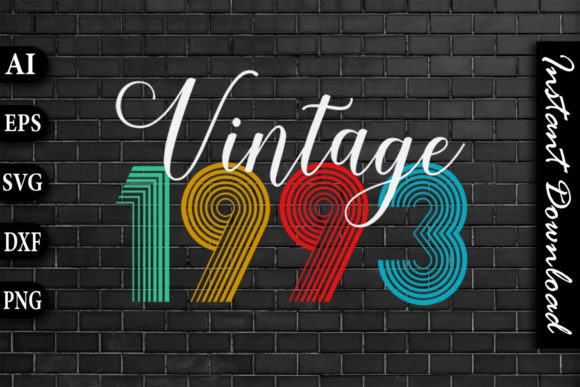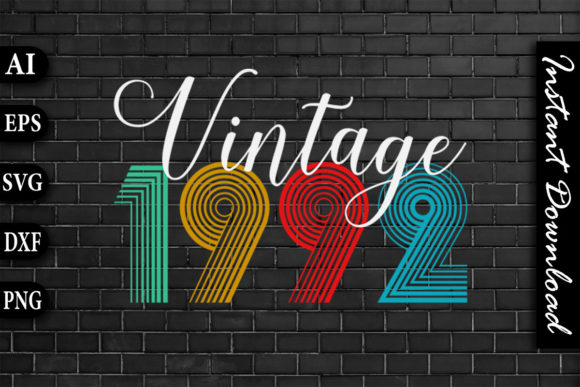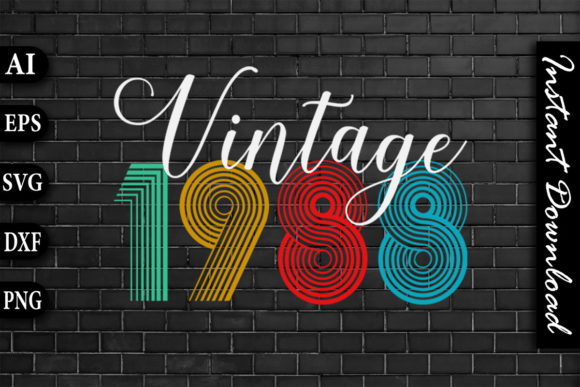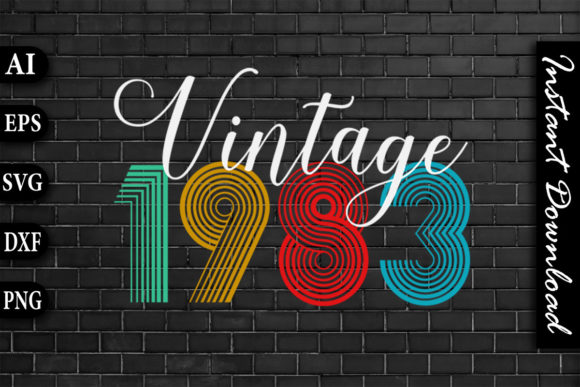
Vintage 1971 Retro Color Birthday Design Review
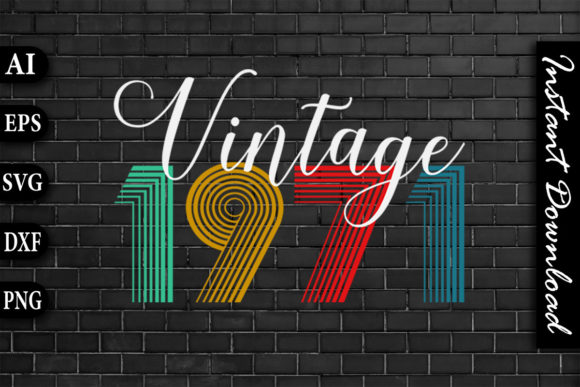
When I first opened the file for the Vintage 1971 Retro Color Birthday Design, I immediately felt that distinct nostalgic pull. It isn't just another generic "Happy Birthday" graphic; it carries a specific mood that screams late sixties and early seventies cool. As someone who spends hours evaluating digital assets for real-world embroidery projects, my first instinct was to ask: how does this translate from a screen to fabric? The answer lies in its potential to become a centerpiece for a high-end handmade product or a standout item in an Etsy shop.
This design falls under the category of Print Templates and Graphics, which means its versatility is its strongest asset. However, before you rush to stitch it onto a custom hoodie, you need to understand how the visual personality of this piece interacts with thread density and fabric texture. The layout suggests a bold statement piece, perfect for apparel decorators looking to create personalized gifts that feel authentic rather than mass-produced.
The First Stitch: Visual Impact and Mood
The moment you place the Vintage 1971 Retro Color Birthday Design on your hoop, the retro color palette dominates the scene. It evokes a sense of celebration that feels both timeless and trendy. For a designer, the appeal here is the balance between detail and readability. In machine embroidery, complex graphics can sometimes turn into a muddy mess if the stitch density isn't managed correctly. This design appears to have enough open space to breathe, making it ideal for satin stitch work where clarity is paramount.
I imagine this design not just as a decoration, but as a brand asset. If you are running a small business selling boutique products, this specific aesthetic helps establish a cohesive look. It works beautifully for holiday embroidery collections, particularly around birthdays or anniversaries where customers want something unique. The visual weight of the design suggests it belongs on sturdy fabrics like denim, heavy cotton canvas, or even wool blends, where the vintage vibe won't get lost in the weave.
Real-World Application: From Tote Bag to Nursery Decor
Let's talk about practical use cases. I recently considered using this file for a custom embroidered tote bag project intended for a local craft fair. The idea was to create a limited run of bags featuring the Vintage 1971 Retro Color Birthday Design for a client celebrating a milestone year. On a canvas tote, the design would pop with excellent contrast. The running stitch elements, if present in the finer details, would add a lovely handcrafted texture that machine-made prints simply cannot replicate.
Beyond bags, this design is a powerhouse for baby embroidery. Imagine stitching it onto a soft muslin swaddle or a durable onesie. The retro theme makes it a fantastic choice for nursery decor, perhaps centered on a pillow cover or a framed patch. Parents today often seek out items that feel curated and vintage-inspired rather than overly cartoonish. A finished product featuring this design signals quality and thoughtfulness, boosting customer trust in your handmade goods.
For those of you selling on platforms like Etsy, the versatility extends further. You could adapt this into a series of kitchen towels for a wedding gift set or create matching aprons for a cooking class. The design acts as a versatile digital embroidery file that can anchor a collection of small shop products. Whether you are creating custom apparel or decorative accents, the retro aesthetic ensures your items stand out in a crowded marketplace.
Where Caution is Key: Fabric and Size Constraints
While the design is robust, there are specific scenarios where the Vintage 1971 Retro Color Birthday Design requires careful handling. One major consideration is the hoop size. If you attempt to scale this down too much for a tiny cap or a small baby hat, you risk losing the integrity of the lettering and fine details. Embroidery machines thrive on space; cramming a detailed retro graphic into a three-inch hoop often results in thread breaks and a loss of definition.
Fabric texture also plays a critical role. While this design looks great on smooth cottons, applying it to highly textured fabrics like bouclé or thick fleece can be problematic. The needle might struggle to penetrate dense weaves, leading to puckering. Similarly, stretchy fabrics require extra attention. If you plan to embroider this on a sweatshirt made of lightweight jersey, you must use a high-quality stabilizer to prevent the design from distorting as the wearer moves. Without proper stabilization, the fill stitch areas might warp, ruining the clean lines that give the design its retro charm.
Dark fabrics present another challenge. To ensure the colors pop, you will need to select thread colors with high contrast against the background. If the original design relies on subtle shading, those details might vanish on black or navy material. Always test your thread choices before committing to a large production run. Additionally, avoid placing this design on curved surfaces like baseball caps unless you have significant experience with curved embroidery techniques. The perspective can easily distort the vintage typography if not aligned perfectly.
Professional Designer Notes for Success
If you are serious about using this embroidery file for commercial purposes, follow these practical steps to ensure your finished product is flawless:
- Test on Scrap Fabric: Never start with your final garment. Run a test stitch on a scrap piece of the same material to check for tension issues and color accuracy.
- Review Stitch Density: Inspect the design files closely. Areas with high stitch counts may require multiple passes or thicker stabilizers to prevent fabric damage.
- Check Licensing: Before selling any finished items or digital products, confirm the licensing terms. Ensure you have the right to use the Vintage 1971 Retro Color Birthday Design for commercial resale.
- Mockup Verification: Use printable mockups to visualize the design on different backgrounds. This helps you decide if the design fits your brand consistency before spending money on materials.
- Stabilizer Selection: Match your stabilizer to the fabric weight. Cut-away stabilizers are generally best for garments that will be washed frequently, while tear-away works well for lighter home decor items.
Ultimately, the value of a design like this comes from how well it integrates into your workflow. The Vintage 1971 Retro Color Birthday Design offers a strong foundation for creating memorable handmade products. It bridges the gap between digital convenience and tactile craftsmanship. By paying attention to the nuances of fabric, thread, and stabilization, you can transform a simple graphic into a premium embroidered patch or a cherished personalized gift.
Whether you are an experienced Etsy seller looking to expand your catalog or a hobbyist wanting to make a special keepsake, this design provides the creative spark needed to elevate your projects. Just remember that successful embroidery is about preparation as much as creativity. Take the time to evaluate the design's limitations, choose your materials wisely, and let the vintage charm shine through in every stitch.