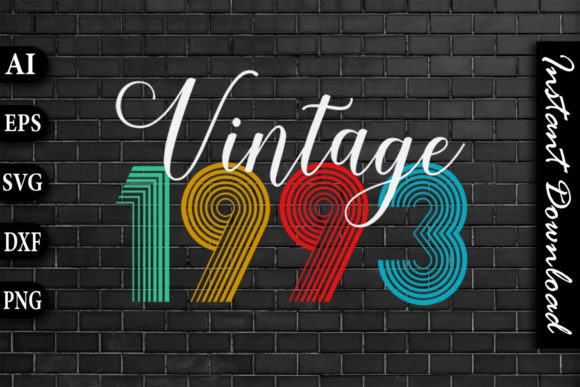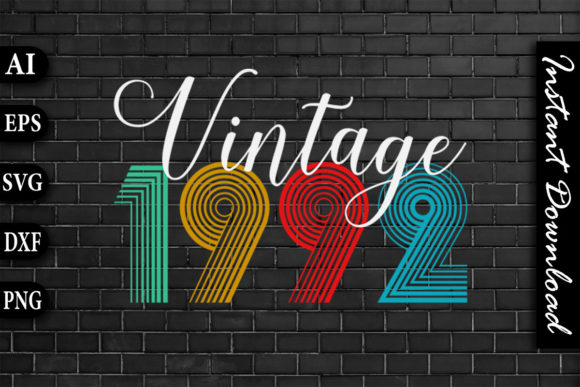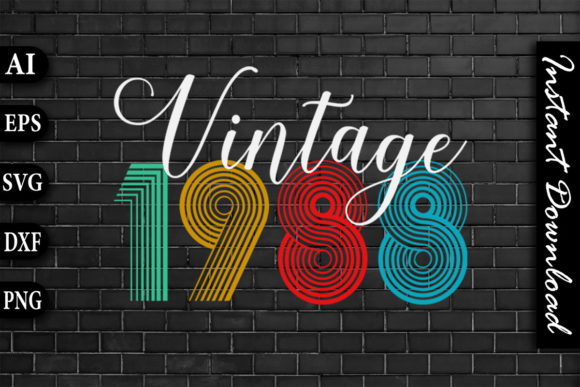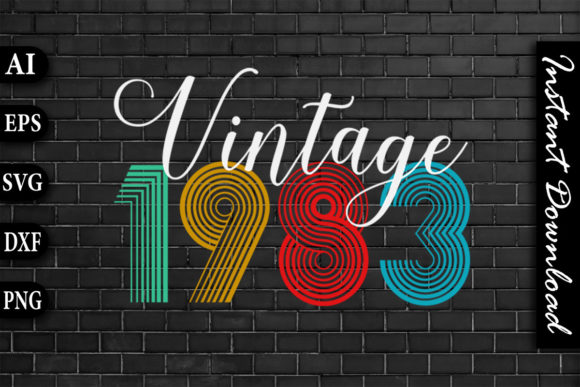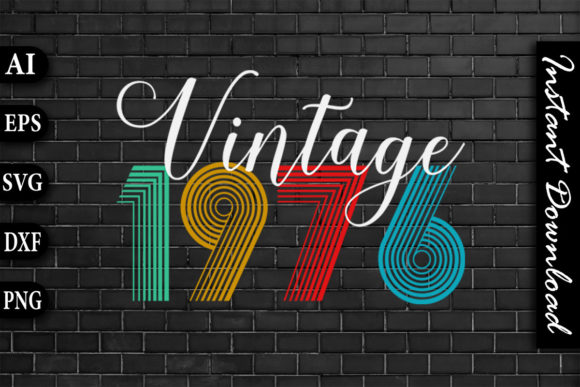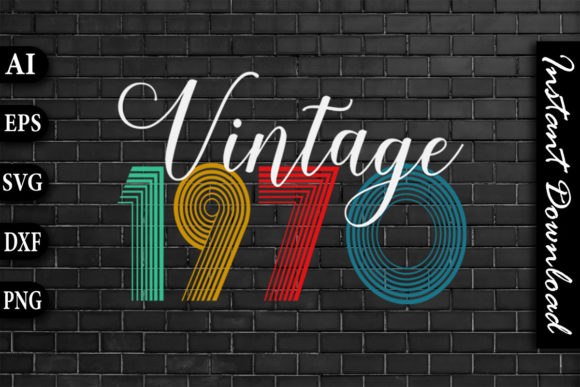
Vintage 1970 Retro Color Birthday Design Review
As a designer who spends more time than I care to admit tweaking stitch densities and testing thread pulls, I approach every new asset with a mix of excitement and skepticism. When I first laid eyes on the Vintage 1970 Retro Color Birthday Design, I didn't just see a graphic; I saw a specific mood. It immediately evokes that warm, sun-drenched nostalgia of mid-century Americana. The color palette feels intentional rather than random, suggesting a design that could anchor a cohesive brand identity or serve as the centerpiece for a heartfelt personalized gift.
In a market flooded with generic "Happy Birthday" text overlays, this piece stands out because it understands the assignment. It isn't trying to be modern minimalist, nor is it overly ornate in a way that would frustrate an embroidery machine. Instead, it hits that sweet spot of retro charm that has been gaining traction in boutique apparel and handmade goods. But does it hold up when transferred from a digital screen to actual fabric? That is the question that matters most to craft business owners and Etsy sellers looking to build a reputation for quality.
First Impressions: Mood and Visual Personality
The immediate takeaway from the Vintage 1970 Retro Color Birthday Design is its warmth. The colors are rich and slightly muted, avoiding the harsh neon tones that often clash with natural fibers. This suggests that the design will translate beautifully onto cotton tote bags, linen aprons, or soft baby onesies. The layout feels balanced, likely offering enough negative space to prevent the stitching from feeling cluttered, which is a common pitfall in low-resolution print templates.
For a small shop owner, visual personality is currency. Customers don't just buy a product; they buy the story behind it. A design with this level of character allows you to tell a story of celebration, heritage, and joy. It works exceptionally well for holiday embroidery projects or seasonal collections where the aesthetic needs to feel curated and thoughtful. If you are selling digital embroidery files or printable mockups, this design offers a strong hook that can elevate your entire listing presentation.
Real-World Application: From Screen to Stitch
Let's talk about a real scenario. Imagine you are preparing for a local craft fair and need to create a line of custom embroidered patches and tote bags. You want something that screams "vintage vibe" but remains legible after hundreds of washes. I envision the Vintage 1970 Retro Color Birthday Design being stitched onto a heavy canvas tote bag using a high-quality polyester thread. The retro aesthetic would pop against a natural beige canvas, creating a product that looks like it belongs in a high-end boutique rather than a discount bin.
This design also shines in the realm of baby embroidery. Parents love nostalgic themes for nursery decor and baby clothes. The softer color tones make it perfect for a gender-neutral baby shower gift or a milestone blanket. However, when moving to smaller items like caps or hats, the curvature of the fabric becomes a factor. While the design is versatile, applying it to a curved surface requires careful hooping and stabilizer selection to ensure the lines don't distort.
For commercial embroidery projects, such as branded merchandise for a coffee shop or a bakery, this design adds a layer of professionalism. It signals that the business cares about details. Whether used on a sweatshirt embroidery project or a kitchen towel, the design provides a finished product look that justifies a higher price point. It transforms a simple commodity into a collectible item.
Where Caution Is Required
Even the best design assets have their limitations, and knowing them is what separates a pro from a hobbyist. The Vintage 1970 Retro Color Birthday Design might struggle if attempted in very small hoop sizes. If the intricate details of the retro elements are compressed too much, the satin stitch areas can become muddy, losing their definition. For tiny lettering or decorative accents, you must verify the minimum size requirements before committing to a final run.
Fabric choice is another critical variable. Textured fabrics like waffle weave or thick fleece can hide the fine details of the design. Similarly, stretchy fabrics require a stiffener stabilizer to prevent puckering, especially around the dense fill stitch areas. If you plan to use this on dark fabric, you may need to adjust the underlay or add a top-stitch layer to ensure the colors remain vibrant and true to the original intent. Without proper preparation, the visual appeal can suffer, leading to customer complaints about poor clarity.
Dense stitch areas are particularly tricky. If the design includes large blocks of fill stitch, running the machine at standard speeds might cause thread breaks or fabric distortion. It is essential to check the stitch density settings. Additionally, products that need frequent washing, like daily wear t-shirts, require robust construction. If the design relies heavily on thin lines, they might fray over time unless reinforced with the right thread type and tension settings.
Practical Designer Notes for Success
If you are ready to integrate the Vintage 1970 Retro Color Birthday Design into your workflow, here is my professional advice based on years of hands-on experience:
- Test First: Never cut into your final fabric without a test run. Use scrap fabric to check how the thread colors interact with the material texture and to ensure the stitch density is appropriate.
- Check Contrast: Review the design in black and white mockups. Sometimes, a design looks colorful on screen but lacks contrast in stitching, making it hard to read on certain backgrounds.
- Hoop Size Matters: Confirm the hoop size needed for the design. If you are working with limited space, ensure the design fits within the stable area of your hoop without cutting off critical elements.
- Stabilizer Selection: Match your stabilizer to the fabric weight. A light fabric needs a tear-away, while a heavy canvas might benefit from a cut-away for long-term durability.
- Licensing Check: Before selling finished items or digital products, confirm the licensing terms. Ensure you have the rights to use the design for commercial purposes, especially if you are planning to sell through platforms like Etsy or at craft fairs.
The Vintage 1970 Retro Color Birthday Design is a solid addition to any collection of design assets. It offers a unique blend of nostalgia and versatility that can elevate your handmade products. Whether you are creating a personalized gift for a loved one or building a catalog of small shop products, this design provides the visual punch needed to stand out. Just remember that the success of the final product depends as much on your execution and material choices as it does on the design itself. Take the time to prep properly, and you will end up with a finished product that customers will cherish.
Ultimately, the goal is to create items that bring joy and reflect quality craftsmanship. By carefully evaluating the strengths and potential pitfalls of this print-ready design, you can ensure that your embroidery file delivers exactly what it promises. With the right approach, this retro gem can become a staple in your creative toolkit, helping you build trust and engagement with your audience while celebrating the art of machine embroidery.