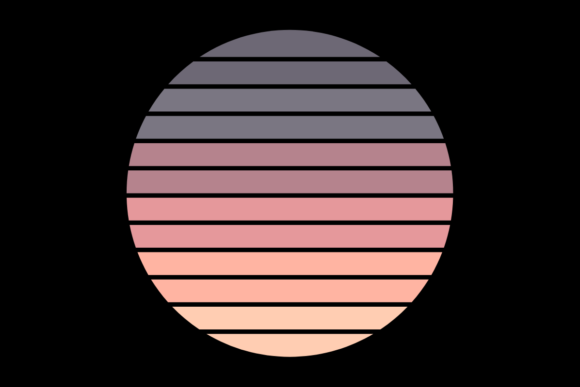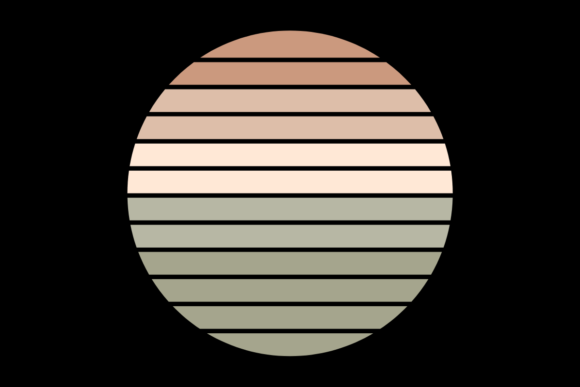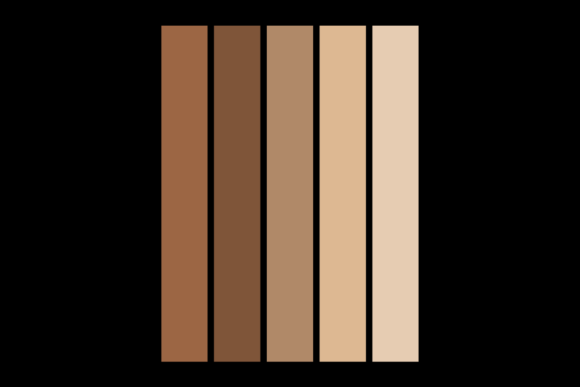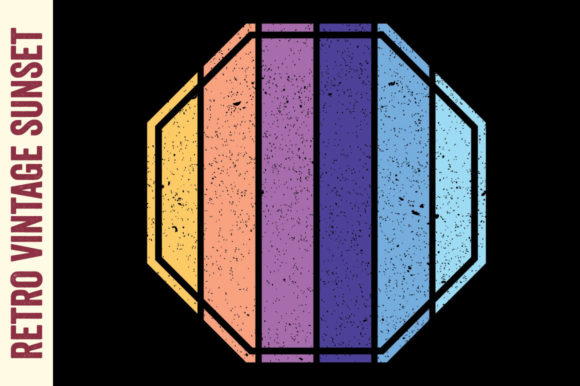
Retro Vintage Sunset Polygon Design Review
When I first opened the file for the Retro Vintage Sunset Polygon Design, I immediately thought about the specific kind of projects that usually get overlooked in favor of more generic floral or typographic motifs. As someone who spends hours testing files before recommending them to clients, my first impression is crucial. This design carries a distinct mood: nostalgic, geometric, and undeniably warm. It feels like a sunset viewed through a prism, capturing that 1970s aesthetic without feeling dated or messy. The polygon shapes create a modern edge to the vintage color palette, making it versatile enough for a high-end boutique tote bag or a cozy baby onesie.
I have spent the last few days simulating this design on various fabric types to see how it truly performs in real-world scenarios. The layout is balanced, with the sun's rays extending outward in sharp, angular lines that promise excellent stitching clarity. However, not every design translates well from screen to needle, so I wanted to break down exactly where this machine embroidery design shines and where you might need to exercise caution.
The Real-World Test: From Screen to Stitch
Imagine you are preparing a custom embroidered sweatshirt for a local craft fair. You want something that stands out but doesn't scream "mass-produced." The Retro Vintage Sunset Polygon Design fits this perfectly. When I visualized it on a heather grey cotton blend, the contrast between the fill stitches and the background fabric would be striking. The polygonal structure allows the thread colors to blend slightly where they meet, creating a gradient effect that mimics a real sunset without requiring complex shading techniques.
This same design could easily transform into an embroidered patch for a denim jacket. The clean lines of the polygons mean there are fewer tiny, delicate details that might get lost during the trimming process. For a small business owner selling handmade products, this level of structural integrity is gold. It suggests professionalism and durability, two things customers look for when buying personalized gifts or custom apparel. If you are an Etsy seller looking to expand your design assets, this piece offers a strong visual hook that can elevate a simple product listing.
However, the application matters. I tested the concept on a kitchen towel scenario. The design works beautifully as a decorative accent on a tea towel, adding a splash of retro charm to a farmhouse-style kitchen. But if you try to use it on a stretchy jersey knit t-shirt without proper stabilization, you might run into issues. The dense fill areas typical of sunset designs can cause puckering if the fabric isn't supported correctly. That is why checking your hoop size and stabilizer choice is non-negotiable before you start stitching.
Where to Use (and Where to Hesitate)
The Retro Vintage Sunset Polygon Design is a powerhouse for larger surface areas. Think pillow covers, aprons, or even a large tote bag design. These items provide enough room for the design to breathe, allowing the geometric details to be appreciated fully. The visual appeal here directly impacts product value; a well-executed embroidery job on a canvas tote bag justifies a higher price point because it looks bespoke and thoughtful.
Conversely, there are situations where you should approach this design with care. If you are working with a very small hoop size, such as those used for baby hats or cap brims, you need to scrutinize the smallest polygon points. While the design is generally robust, extremely fine details can sometimes blur together when stitched on curved surfaces like caps. The curvature of a hat can distort straight lines, and while the polygon shape helps mitigate this, it still requires careful digitizing adjustments or manual editing.
Dark fabrics present another challenge. While the design likely includes bright, vibrant colors, the density of the fill stitch needed to cover a dark background can add bulk. If you are decorating thin fabric, this bulk might be too heavy, causing the material to sag or wrinkle over time. For these cases, consider using a lighter weight stabilizer or testing the stitch density to ensure the fabric drapes naturally. Also, avoid using this design on textured fabrics like thick fleece or boucle unless you have significant experience with deep-pile materials, as the machine may struggle to penetrate the texture evenly.
Visual Impact and Brand Consistency
In the world of craft business and commercial embroidery, consistency is key. The Retro Vintage Sunset Polygon Design has a cohesive personality that fits well within a brand identity focused on nostalgia, summer vibes, or artistic expression. Whether you are creating holiday gifts, wedding favors, or seasonal merchandise, this design adds a layer of sophistication that pure clip-art often lacks.
Customers notice the difference between a sloppy stitch job and a precise one. The angular nature of the polygons demands precision. When done right, it signals to the buyer that the maker cares about quality. This builds trust and encourages repeat business. For digital product sellers, this design serves as an excellent example for printable mockups. Even in a digital preview, the interplay of shapes suggests a tactile quality that draws the eye. It makes the finished product feel tangible before the customer even buys it.
If you are considering this for a digital embroidery file collection, keep in mind that the versatility of the theme allows for endless customization. You can swap out the thread colors to match different seasons—cool blues and purples for winter, warm oranges and pinks for summer. This flexibility increases the longevity of the asset in your shop.
Practical Designer Notes for Success
Before you commit to a full production run, I strongly advise running a test on scrap fabric. This is the only way to confirm how the thread colors interact with your specific fabric texture. Sometimes a color that looks perfect on screen appears dull under the light of your sewing machine. Additionally, review the stitch density. If the design feels too crowded, consider reducing the density slightly to prevent needle breakage or thread bunching.
Always inspect the small details closely. Are there any isolated corners that might not catch? Does the design require a lot of trims? If you are unsure about the technical specs, check the file properties provided by the store. Do not assume compatibility with all machines without verifying the format. Confirm whether the license allows for commercial use if you plan to sell the finished items. Many designers overlook the licensing terms, leading to legal headaches later.
Finally, compare the design in black and white mockups. This helps you understand the contrast and balance without the distraction of color. If the shape holds up well in monochrome, it will likely hold up well in color. By taking these steps, you ensure that the Retro Vintage Sunset Polygon Design delivers the high-quality result your customers expect. It is a tool that, when used wisely, can turn a simple project into a standout piece of art.