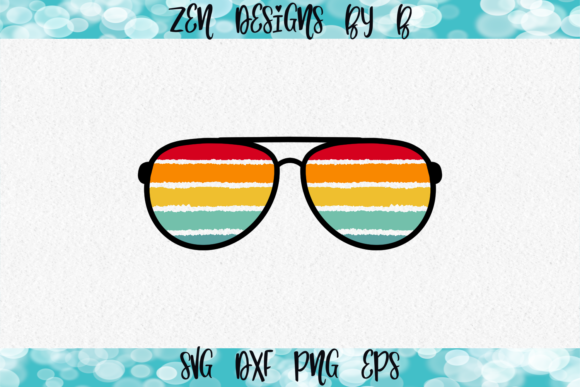
Retro Vintage Aviator Layered: A Designer's Real-World Review
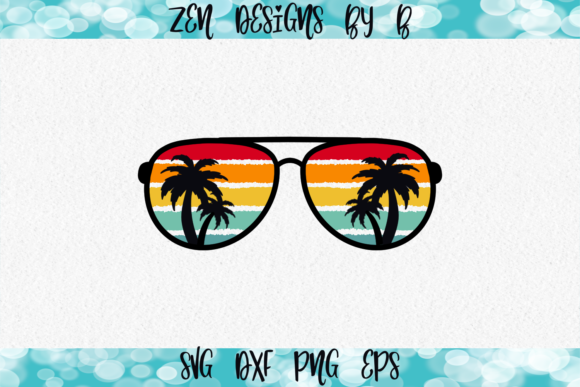
As someone who has spent years evaluating digital assets for actual production, I approach every new file with a mix of excitement and skepticism. The market is flooded with Illustrations that look great on a screen but fall apart under the needle. Recently, I had the chance to put the Retro Vintage Aviator Layered design from Zen Designs By B through its paces. This isn't just another graphic; it is a layered asset that demands specific attention to detail if you want your finished product to reflect the quality your customers expect.
When I first opened the file, the mood was immediately established. It carries a distinct vintage aviation aesthetic that feels nostalgic yet timeless. The layering capability is the standout feature here. Unlike a flat raster image, this design separates into distinct elements, allowing me to manipulate thread colors, stitch types, and placement independently. For an embroidery designer, this separation is everything. It transforms a simple Graphics file into a versatile tool for creating custom apparel, boutique branding, or personalized gifts.
The First Stitch: Visual Appeal and Design Personality
The visual personality of the Retro Vintage Aviator Layered design is confident. It speaks to the adventurous spirit of the mid-century pilot era without feeling cluttered. The shapes are bold enough to hold their form in larger hoop sizes, yet they possess enough nuance to look professional on smaller items. In my initial assessment, I noted that the layout balances negative space well, which is crucial for avoiding a "stitch-heavy" look that can make fabric feel stiff.
This design naturally belongs in projects that celebrate craftsmanship and heritage. Whether you are decorating a heavy-duty canvas tote bag or adding a subtle accent to a baby onesie, the retro theme fits seamlessly. It creates an immediate connection with customers who appreciate handmade goods with a story. The layered nature allows you to create depth, perhaps using a satin stitch for the outline of the aviator goggles and a fill stitch for the background, giving the piece a tactile richness that flat prints simply cannot achieve.
Real-World Application: From Screen to Fabric
I decided to test the Retro Vintage Aviator Layered design on a real project scenario: a batch of custom embroidered aprons for a local coffee shop gift set. The goal was to create a cohesive brand look that felt warm and inviting. Because the design is available as a digital embroidery file with multiple formats like SVG, PNG, EPS, and DXF, integrating it into my workflow was straightforward. I could easily import it into my digitizing software to adjust the stitch density before sending it to the machine.
The results were impressive. On the dark fabric of the aprons, the contrast was sharp, and the layers allowed me to use a lighter thread for the main body of the aviator hat, making it pop against the deep navy background. The design held up well during the wash cycle, which is a critical metric for any commercial embroidery project. Customers often ask about durability, and seeing a design maintain its integrity after multiple washes builds trust in your brand.
Beyond aprons, this design is incredibly adaptable. Imagine using it for holiday embroidery on kitchen towels, where the retro theme complements seasonal decor perfectly. Or consider a sweatshirt embroidery project for a small business merchandise line; the layered approach lets you add text or other decorative accents around the central motif without crowding the design. It works equally well for baby embroidery on soft cotton, provided you adjust the stabilizer correctly to prevent puckering.
Navigating Challenges: Where Caution is Key
While the Retro Vintage Aviator Layered design is robust, no single asset is perfect for every situation. There are specific scenarios where you must exercise caution. If you are working with textured fabrics like terry cloth or thick denim, the fine details might get lost in the weave. Similarly, thin or stretchy fabrics require a very rigid stabilizer setup to ensure the design doesn't distort during stitching.
I also found that attempting this design in a small hoop size requires careful planning. While the main elements are clear, some of the finer lines that define the aviator style might become indistinct if scaled down too much. For tiny lettering or intricate corners, always review the stitch density before committing to a full run. If the design is too dense, it can cause the fabric to bunch, ruining the drape of a garment like a cap or a fitted shirt.
Curved surfaces, such as baseball caps, present another challenge. The layered nature of the design means you have to be precise about how each section sits on the curve. If the tension isn't perfect, the layers might not align visually, breaking the illusion of a cohesive image. For these applications, I recommend testing the design on a scrap piece of the same material first to dial in the tension and stabilizer type.
Practical Notes for the Embroidery Designer
To get the most out of this asset, there are several technical steps you should take before starting your final project. First, check the thread color contrast. A design that looks good in black and white mockups might lose definition if the thread colors clash with the fabric. Always inspect small details closely; sometimes what looks like a solid shape in the preview is actually composed of many tiny stitches that need extra attention.
Confirm the hoop size requirements early on. If the design exceeds your machine's capabilities, you may need to split the file, which can be time-consuming. Use proper stabilizer based on the fabric weight; a cut-away stabilizer is usually best for garments that will be worn frequently, while tear-away might suffice for temporary decorations like patches. If you are selling finished items, ensure you understand the licensing terms regarding commercial embroidery. Do not assume the license covers all uses; verify whether you can sell the physical products or if the usage is restricted to personal projects.
Finally, compare light and dark fabric backgrounds to see how the design adapts. The Retro Vintage Aviator Layered design offers flexibility, but it relies on your expertise to maximize its potential. By testing the design on scrap fabric, reviewing stitch density, and confirming file compatibility with tools like Cricut, Silhouette Studio, or Illustrator, you ensure that your output remains professional.
Final Thoughts on Value and Versatility
In the world of craft business and Etsy listings, the difference between a mediocre product and a standout item often comes down to the quality of the design files used. The Retro Vintage Aviator Layered design delivers on both aesthetic appeal and practical utility. It supports a wide range of applications, from printable mockups for online stores to high-quality finished products for boutique shops.
For creative entrepreneurs and makers, this design is more than just a download; it is a building block for your brand identity. It helps establish a consistent visual language that resonates with buyers looking for authenticity. When executed correctly, the result is a finished product that exudes professionalism and care, turning casual observers into loyal customers. Whether you are creating a personalized gift or scaling up for a large order, this design provides the foundation you need to succeed in the competitive handmade market.